Concrete is strong, but it isn’t waterproof, and Centerville’s weather gives water plenty of chances to cause trouble. Cold winters bring freezing nights, snow, meltwater and deicing salt. Summers bring heat, low humidity and wind that can dry fresh concrete faster than it can cure. Understanding how each of these works makes it easier to ask the right questions and take care of the concrete you have.
Centerville’s seasons, from concrete’s point of view
Centerville sits on the Wasatch Front and has four distinct seasons. For exterior concrete, that means:
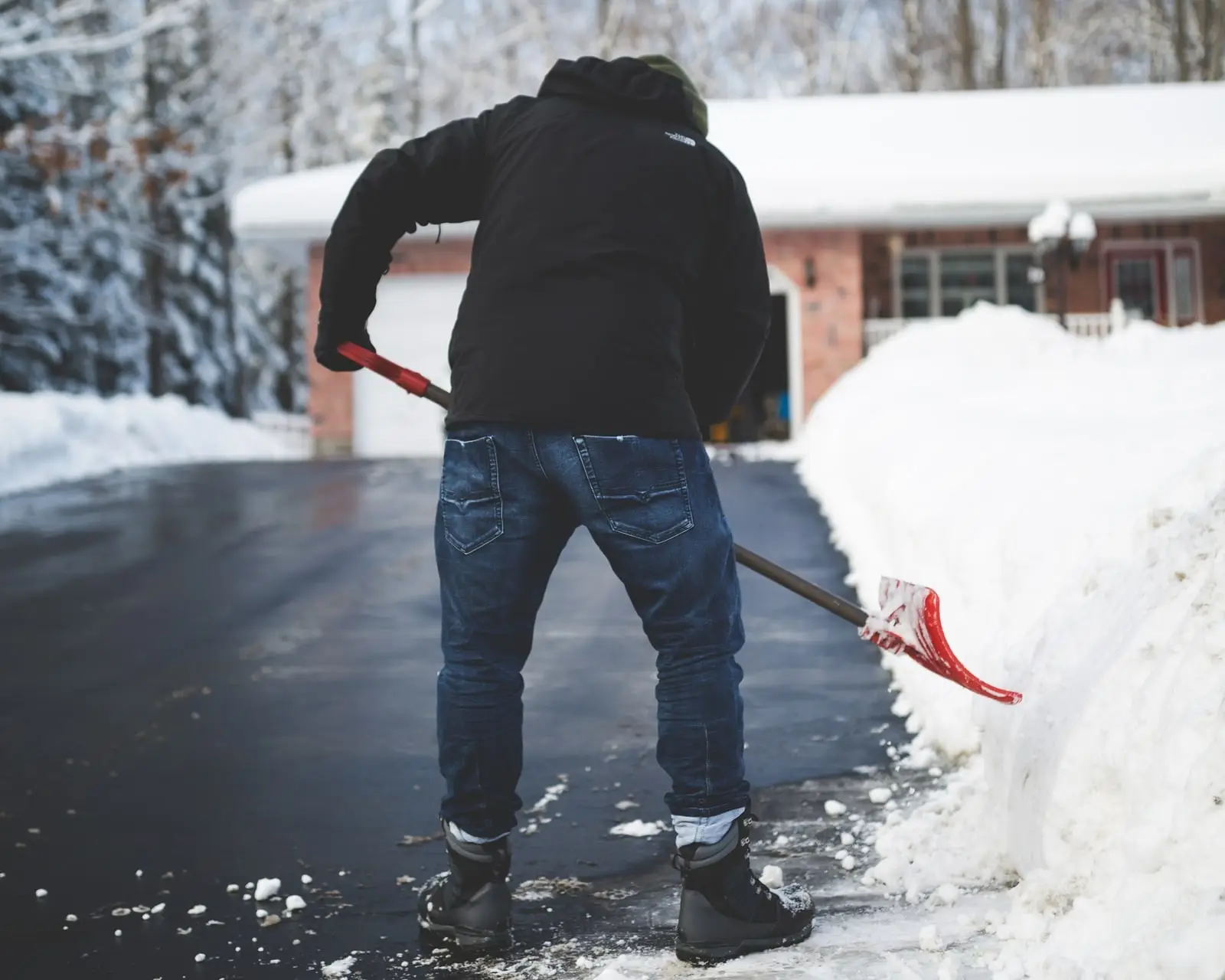
- Winter: freezing temperatures, snow and ice, frequent melting and refreezing, and heavy use of road salt that vehicles carry onto driveways.
- Spring: wet conditions, snowmelt and fluctuating temperatures that can still dip below freezing at night.
- Summer: hot, dry days and strong sun, which are tough on fresh concrete and on sealers.
- Fall: generally the best window for maintenance such as crack sealing and sealing before winter.
Freeze-thaw cycles: how water damages concrete
Concrete is full of tiny pores. When those pores and any cracks fill with water and then freeze, the water expands and creates internal pressure. One freeze does little, but a winter’s worth of freezing and thawing adds up. Typical results include:
- Scaling: flaking of the top surface, often starting as small patches that spread.
- Pop-outs: small cone-shaped pieces breaking out of the surface.
- Crack growth: existing cracks widening as water freezes inside them.
- Base problems: water that gets under a slab through cracks and joints softens the base and can contribute to heaving and settlement.
Damage is usually worst where water sits: low spots, the edges of slabs, areas under roof drips and downspouts, and where cars drip salty slush.
Deicing salts and chemicals
Deicers melt ice, but they also increase the number of freeze-thaw cycles at the surface and can attack concrete chemically. NRMCA’s guidance on scaling identifies deicers as a major contributor to surface scaling, especially on concrete that is young, poorly cured or not air-entrained. Practical habits:
- Protect new concrete. Many contractors advise avoiding deicers during a new slab’s first winter.
- Use less. Shovel early and often, and use the minimum amount needed.
- Choose products carefully. Ask your installer which products they consider safe. Avoid using fertilizers as deicers; products containing ammonium sulfate or ammonium nitrate are particularly damaging to concrete.
- Use sand for traction. Sand doesn’t melt ice, but it provides grip without chemical attack.
- Watch for car drip. Salty slush falling off vehicles is one of the most common causes of scaling on driveways and garage aprons. Rinsing it off during warm spells can help.
Air entrainment: the mix detail that matters most
Air-entrained concrete contains billions of microscopic air bubbles, created with an admixture during mixing. Those bubbles give freezing water room to expand, relieving the pressure that causes scaling and cracking. Air entrainment is standard practice for exterior concrete exposed to freezing and deicers, and industry guidance recommends it for these conditions. When you get a quote for exterior work in Centerville, it’s reasonable to ask: “Is the mix air-entrained for freeze-thaw exposure?”
A related point: finishing matters. Over-working the surface, or finishing while bleed water is still on it, can weaken the top layer and make scaling more likely even with a good mix.
Pouring in cold weather
Cold weather slows the chemical reaction that makes concrete harden. The main risks are freezing before the concrete has gained enough early strength and slow strength gain delaying finishing and use. According to NRMCA’s cold-weather guidance, common precautions include:
- Never placing concrete on frozen or frost-covered ground.
- Using heated materials or accelerating admixtures where appropriate.
- Covering fresh concrete with insulated blankets or enclosures to keep it warm.
- Allowing more time before removing forms and putting the concrete into service.
Cold-weather pours can be done well, but they cost more and depend on experience. If your project is scheduled for late fall or winter, ask how the work will be protected.
Pouring in hot, dry weather
Summer creates the opposite problem. Heat speeds up setting, and low humidity, sun and wind pull moisture out of the surface. That can lead to:
- Plastic shrinkage cracks: shallow cracks that form while the concrete is still fresh, when the surface dries faster than bleed water can replace it.
- Rushed finishing: less working time, which is especially challenging for large or stamped pours.
- Weaker surfaces if the concrete isn’t cured properly.
Precautions include scheduling pours for cooler parts of the day, dampening the base (without leaving standing water), using wind breaks or evaporation retarders, having enough crew on hand, and starting curing promptly.
Curing: the step that decides surface durability
Curing means keeping adequate moisture and temperature in the concrete after finishing so it can develop strength and a dense, durable surface. It’s one of the easiest steps to shortchange because the slab looks done. Common methods include liquid curing compounds, wet curing, and plastic sheets or curing blankets. In Centerville’s climate, the right method depends on the season: moisture retention matters most in summer, and warmth matters most in the colder months.
Good curing reduces dusting, surface cracking and scaling. It’s worth asking any contractor how they plan to cure your concrete and for how long.
Sealing
Sealers can reduce the amount of water and deicing salt that soaks into concrete:
- Penetrating sealers (such as silane or siloxane products) soak into the surface and leave little visible film. They’re often used on driveways and walks.
- Film-forming sealers and coatings sit on the surface, can enhance color, and are common on decorative concrete. They wear over time and can be slippery without an anti-slip additive.
New concrete must cure before sealing. Most sealers need dry surfaces and moderate temperatures, so fall is usually the best time to reseal before winter. Follow the product’s instructions and your installer’s recommendations for reapplication.
Drainage: the weather problem you can control
You can’t change the forecast, but you can control where water goes. Keeping water off and out from under concrete is one of the most effective ways to prevent winter damage:
- Make sure slabs slope away from the house and don’t have low spots that hold water.
- Extend downspouts so roof water doesn’t pour onto steps, walks or slab edges.
- Adjust sprinklers so they don’t soak concrete edges daily.
- Seal cracks and joints so water can’t reach the base.
Centerville’s drainage information notes that concrete paving, walkways, patios and driveways are impervious surfaces; water runs off them, so plan where that runoff goes.
A season-by-season care plan
Spring
- Walk your concrete after the snow melts and note new cracks, scaling or settled areas.
- Rinse off winter salt residue from driveways, walks and garage aprons.
- Check that downspouts and grading still direct water away from slabs.
Summer
- Schedule repairs and new work, and plan pours for cooler parts of the day.
- Clean stains (oil, rust, organic) before they set in.
Fall
- Seal cracks while the weather is dry and mild.
- Apply or renew sealer if it’s due.
- Clear leaves and debris that hold moisture on concrete.
Winter
- Shovel promptly to prevent melt-and-refreeze cycles.
- Use deicers sparingly (or not at all on first-winter concrete) and use sand for traction.
- Use plastic shovel blades or take care with metal blades and plows to avoid chipping edges and joints.
If weather has already taken a toll, the repair vs. replacement guide explains how to decide what to do next, and concrete repair covers common fixes.